 Cachalot
Play for free
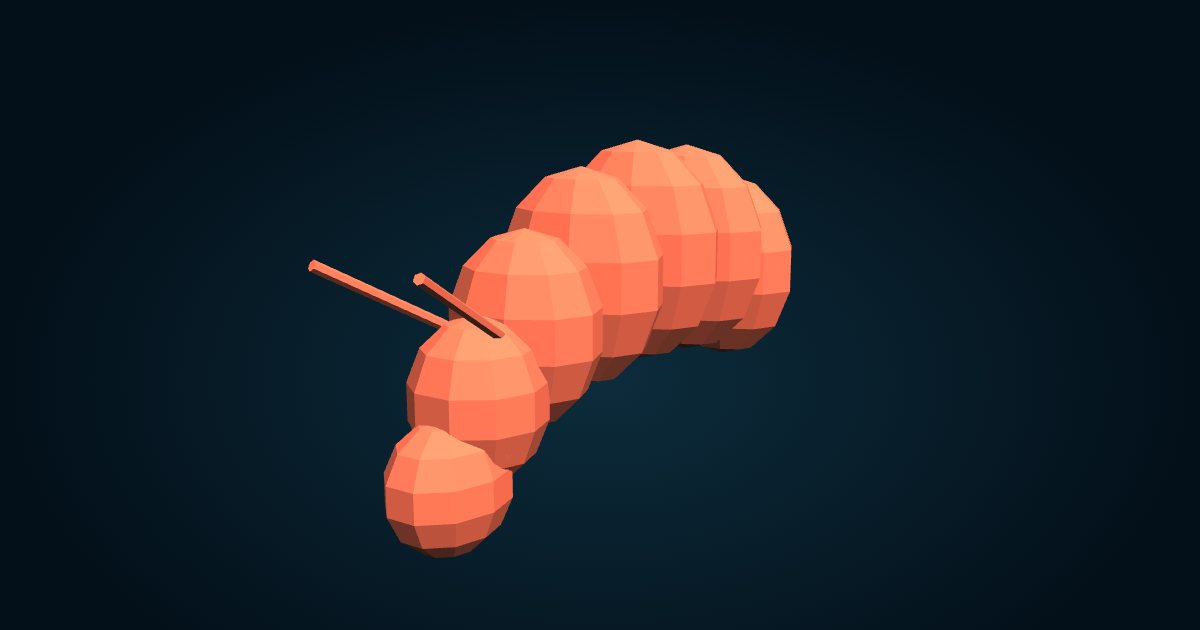
Crustacean · copepod
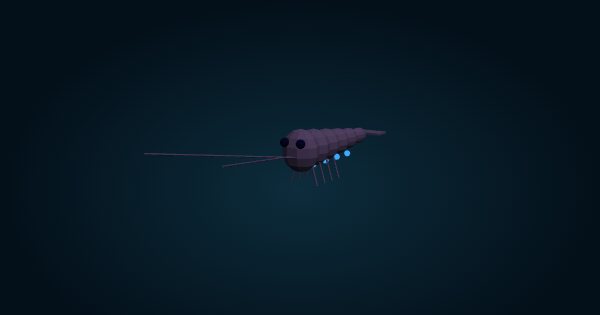
Giant Arctic copepod
Calanus hyperboreus
PacificAtlanticIndianSouthernArctic Found in 2 oceans
- Depth
- Near the surface in spring and summer, spends the winter between about 500 and 3,000 m
- Size
- Up to about 7 mm
- Diet
- Microscopic algae, mainly diatoms
- Zone
- Twilight zone · 200 – 1,000 m
Key facts
- It is one of the largest copepods in the Arctic, but it measures only about 7 mm.
- Before winter, fat can make up more than 65% of its dry weight.
- It lays its eggs in the middle of winter, at depth, without eating, using its reserves.
- By overwintering at depth, it carries carbon down to the deep sea. This is called the “lipid pump”.
Verified sources
- Smithsonian Ocean : Arctic copepod
- Hirche & Niehoff 1996, Polar Biology : reproduction de Calanus hyperboreus en mer du Groenland
- Visser et al. 2017, Calanus hyperboreus and the lipid pump (DTU)
- Falk-Petersen et al. 2009, Lipids and life strategy of Arctic Calanus
In the game: Prey: +2 points