 Cachalot
Play for free
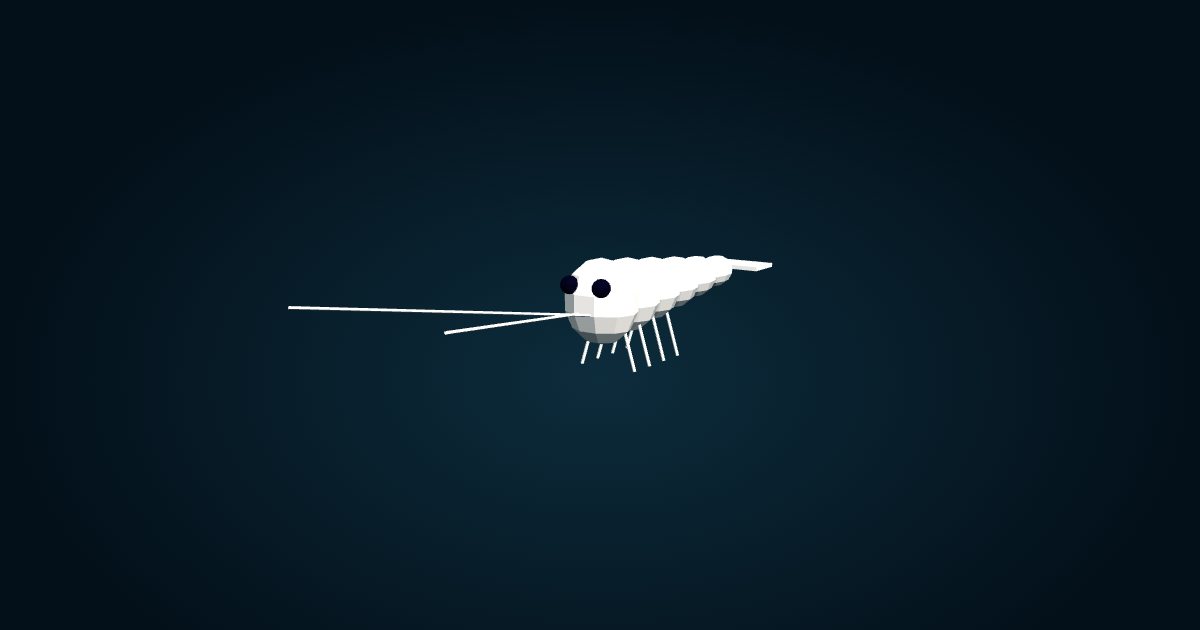
Crustacean · shrimp
Long-rostrum shrimp
Alvinocaris longirostris
PacificAtlanticIndianSouthernArctic A single ocean
- Depth
- About 1,100 to 1,600 m, hot vents and cold seeps
- Size
- Small shrimp, carapace about 5 to more than 10 mm
- Diet
- Grazer and scavenger
- Zone
- The sea floor · 200 – 3,500 m
Key facts
- It lives both on the hot vents of the Okinawa Trough and on the cold seeps of Sagami Bay, in Japan.
- Shrimp from these two sites, 2,000 km apart, have almost the same DNA. Their larvae have therefore traveled very far.
- It is found on chimneys, in tubeworm bushes, on mussels and even on sponges.
- A female carries on average a little more than 1,000 eggs.
And the sperm whale?
Researchers think that whale carcasses may have served as stepping stones for its larvae between two distant vents.
Verified sources
- SeaLifeBase, Alvinocaris longirostris
- Zootaxa 2015, premier signalement en mer de Chine méridionale
- PMC, position phylogénétique et dispersion d’Alvinocaris longirostris (Hatoma Knoll)
- Methou et al. 2023, reproduction des crevettes Alvinocarididae (Univ. Southampton)
In the game: To observe
In the same zone
 Methane musselGigantidas childressi (formerly Bathymodiolus childressi)
 Centenarian tubewormLamellibrachia luymesi
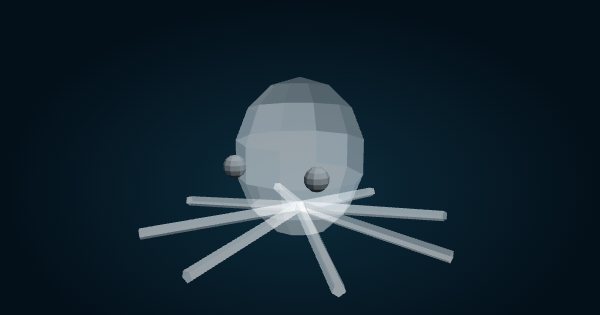 Vent octopusVulcanoctopus hydrothermalis
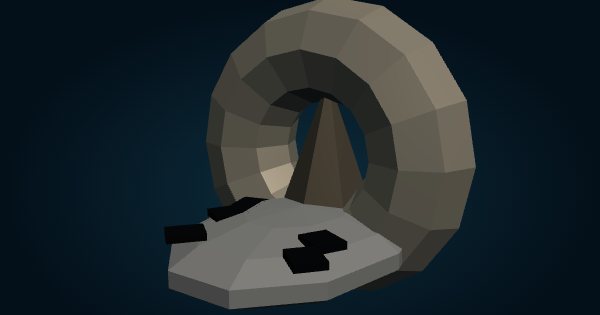 Bone-eating snailRubyspira osteovora
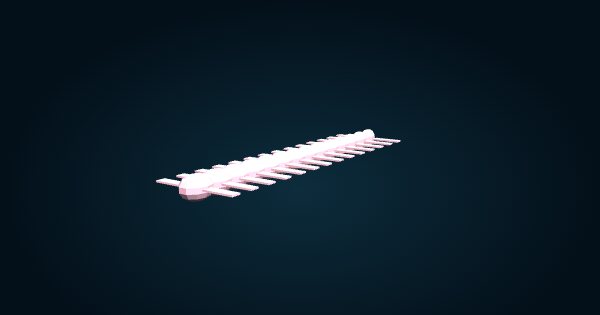 Methane ice wormSirsoe methanicola (formerly Hesiocaeca methanicola)
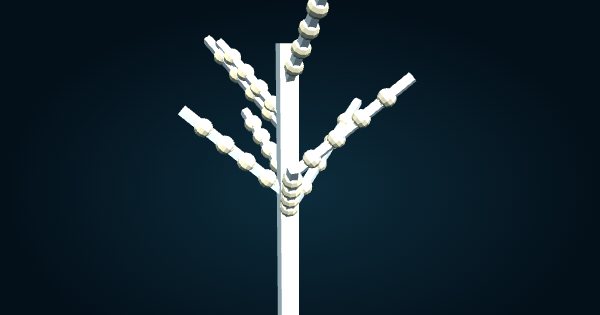 Bamboo coralKeratoisis sp. (family Isididae, broadly defined)