 Cachalot
Play for free
Mollusc · bivalve
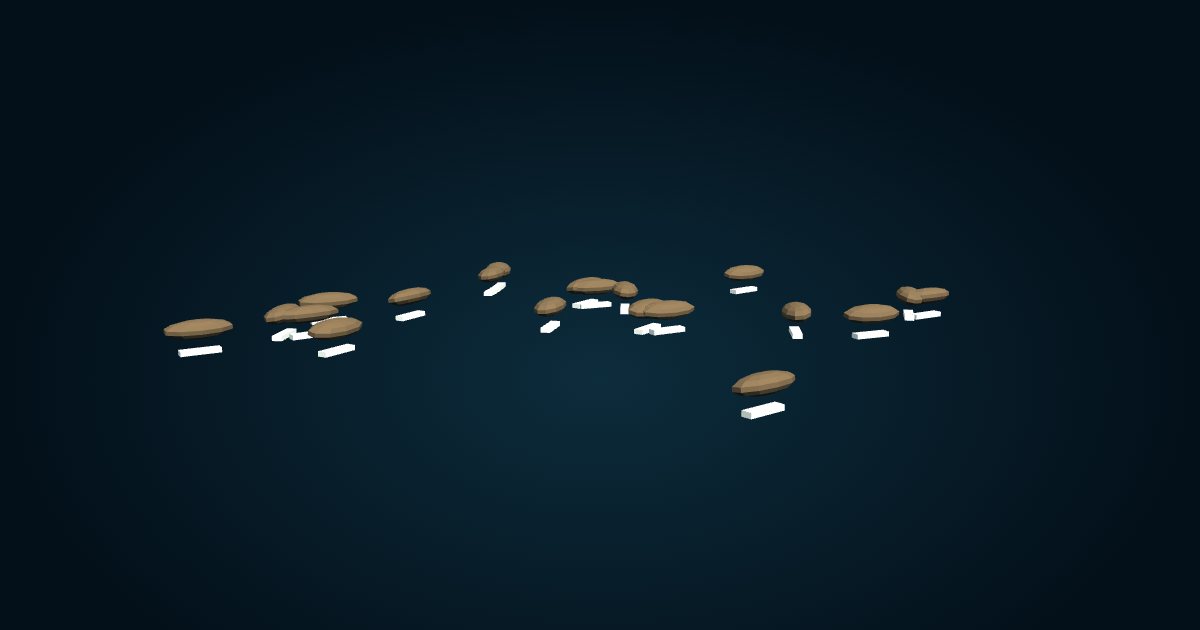
Methane mussel
Gigantidas childressi (formerly Bathymodiolus childressi)
PacificAtlanticIndianSouthernArctic A single ocean
- Depth
- About 530 to 2,200 m, in the Gulf of Mexico
- Size
- Up to about 12 cm
- Diet
- Methane, thanks to the bacteria in its gills
- Zone
- The sea floor · 200 – 3,500 m
Key facts
- The bacteria in its gills eat methane, the gas that seeps from the seafloor, and feed the mussel.
- It forms carpets around a brine lake 650 m deep. This very salty water is so dense that a submarine can float on it.
- Its larvae rise all the way into sunlit surface waters before coming back down.
- Its populations along 550 km of slope form a single large genetic family.
Verified sources
- BOEM, Fisher, Gulf of Mexico deep chemosynthetic communities
- NOAA Ocean Explorer, Methane mussels at Brine Pool NR1
- SeaLifeBase, Bathymodiolus childressi
- Arellano 2009, University of Oregon, larval ecology of Bathymodiolus childressi
- Carney et al. 2006, population structure of Bathymodiolus childressi (Penn State)
In the game: To observe