 Cachalot
Play for free

Annelid · marine worm
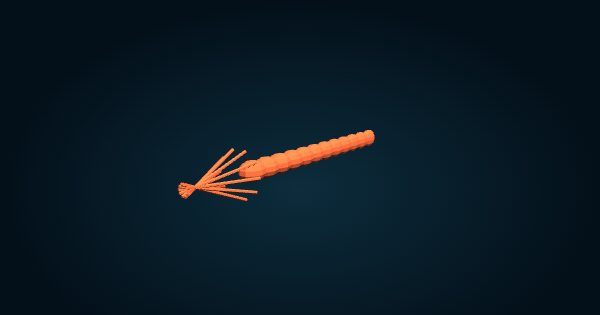
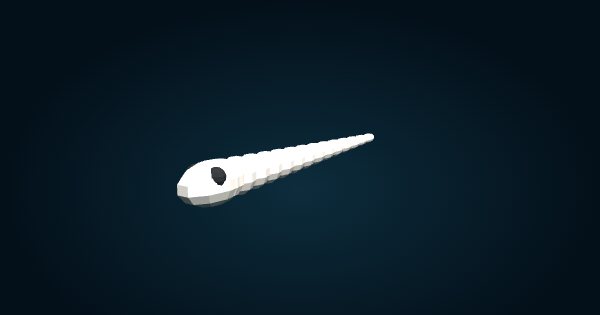
Pioneer tubeworm
Tevnia jerichonana
PacificAtlanticIndianSouthernArctic A single ocean
- Depth
- About 1,750 to 2,600 m, on hydrothermal vents
- Size
- Smaller than its cousin the giant tubeworm Riftia
- Diet
- Nothing through the mouth: it is fed by the bacteria it hosts
- Zone
- The sea floor · 200 – 3,500 m
Key facts
- It is often the first tubeworm to settle on a brand-new vent. The large worm Riftia then settles where it has already grown.
- It hosts the same species of bacterium as Riftia. The bacterium makes its food from the sulfur of the hot vents.
- Biologists found a colony of these worms on a plastic plate left for 11 months near a vent, after an underwater eruption.
- It is found from the Gulf of California to the south of the East Pacific Rise, at about 32° south latitude.
Verified sources
- Penn State, Tubeworm succession at hydrothermal vents: use of biogenic cues to reduce habitat selection error?
- WHOI Images, Tevnia jerichonana on a colonization sandwich
- Nature Communications 2024, Animal life in the shallow subseafloor crust at deep-sea hydrothermal vents
- Scripps Benthic Invertebrate Collection, Tevnia jerichonana records
- Gardebrecht et al. 2012, ISME Journal, endosymbionts of Riftia and Tevnia
In the game: To observe